11 Jul Digital documentation of Indigenous heritage objects Museo Etnologico Missionario, Colle Don Bosco, Asti
Digital documentation of Indigenous heritage objects
Museo Etnologico Missionario, Colle Don Bosco, Asti
On 11–12 July 2024, the research team of the PRIN KNOT – Knowledge of Things project conducted an extensive digital documentation campaign at the Museo Etnologico Missionario in Colle Don Bosco (Asti). The activity focused on five objects of Indigenous American origin preserved in the museum’s collections: a bone flute, a necklace, a basket, a rope shield, and a wooden cigar rest. These artefacts represent significant examples of material culture and form an essential part of the project’s efforts to reassess and digitally enhance the Indigenous American heritage conserved in Italy.
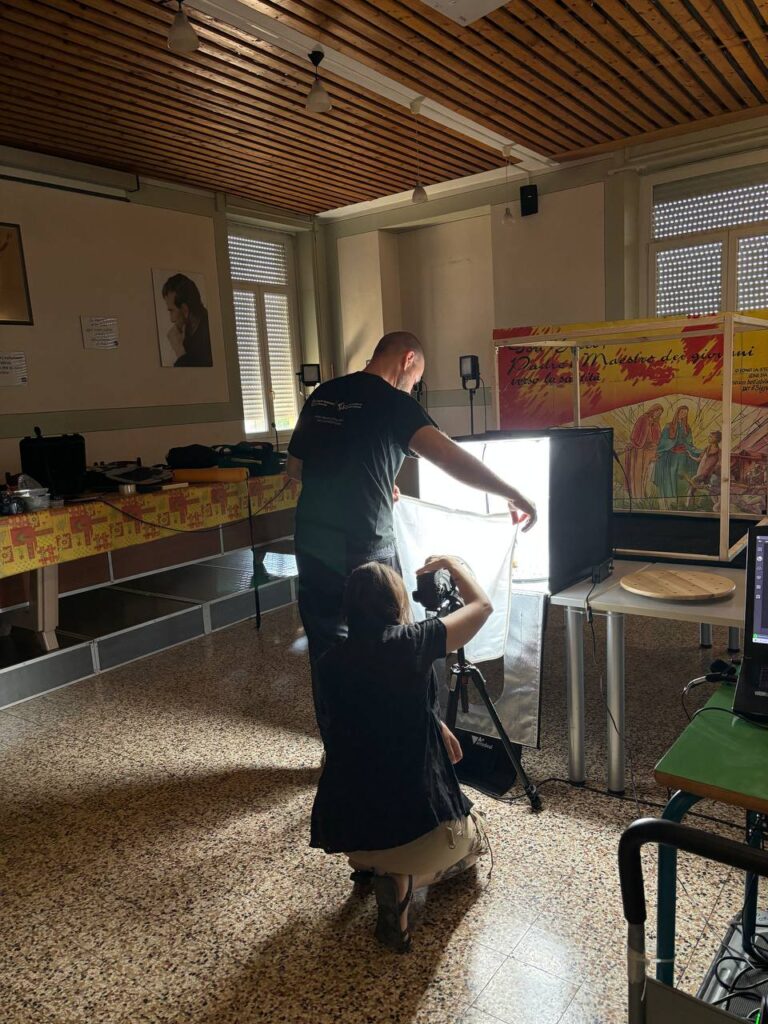
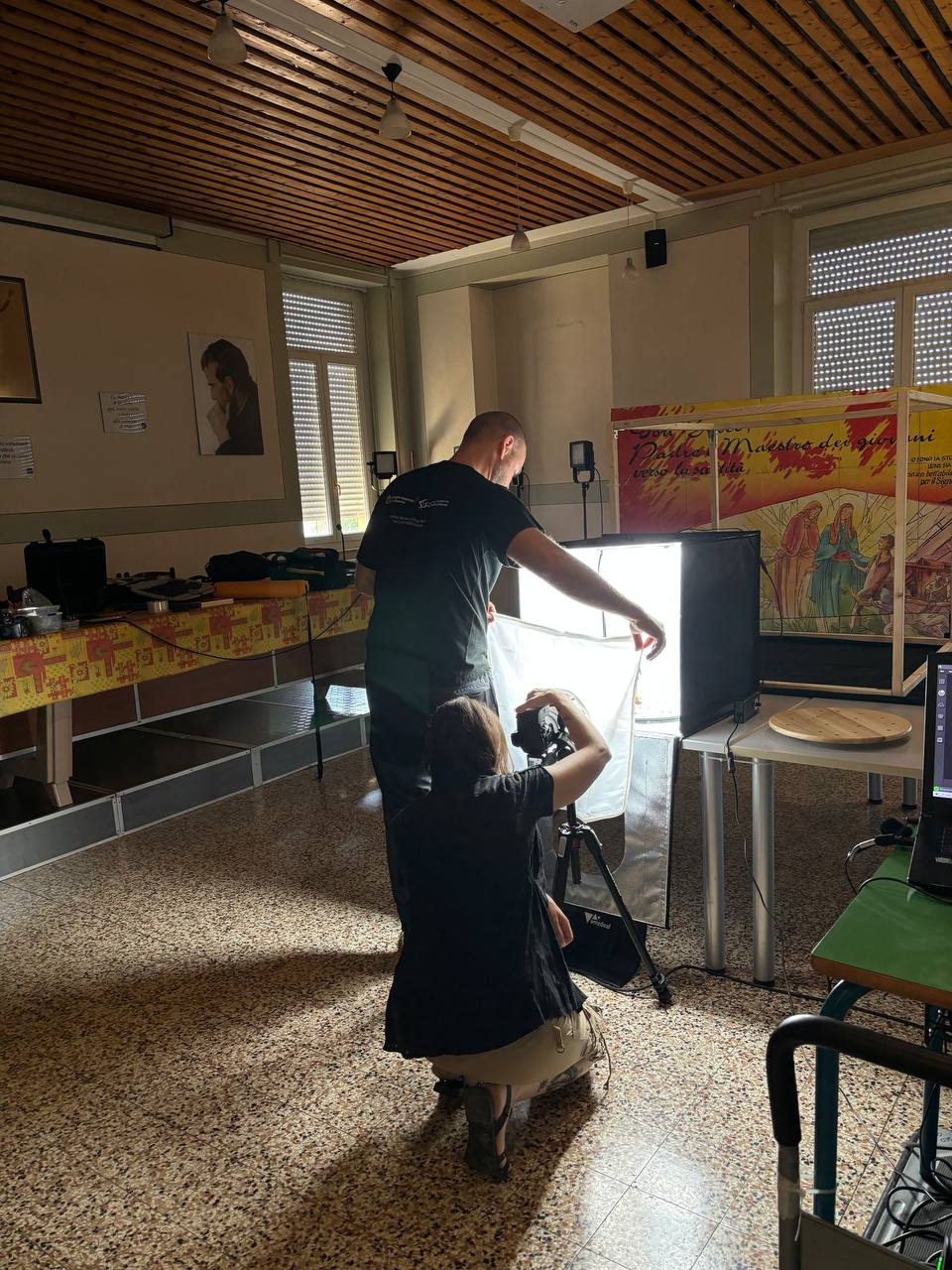
To ensure highly accurate digital representations, the objects were recorded using two complementary 3D acquisition techniques: photogrammetry and structured-light scanning. Photogrammetry involved capturing a dense sequence of overlapping photographs, enabling the reconstruction of detailed textures and surface information. In parallel, structured-light scanning—performed with the iReal3D system—provided precise geometric data by projecting calibrated light patterns onto each object and analysing surface deformations.
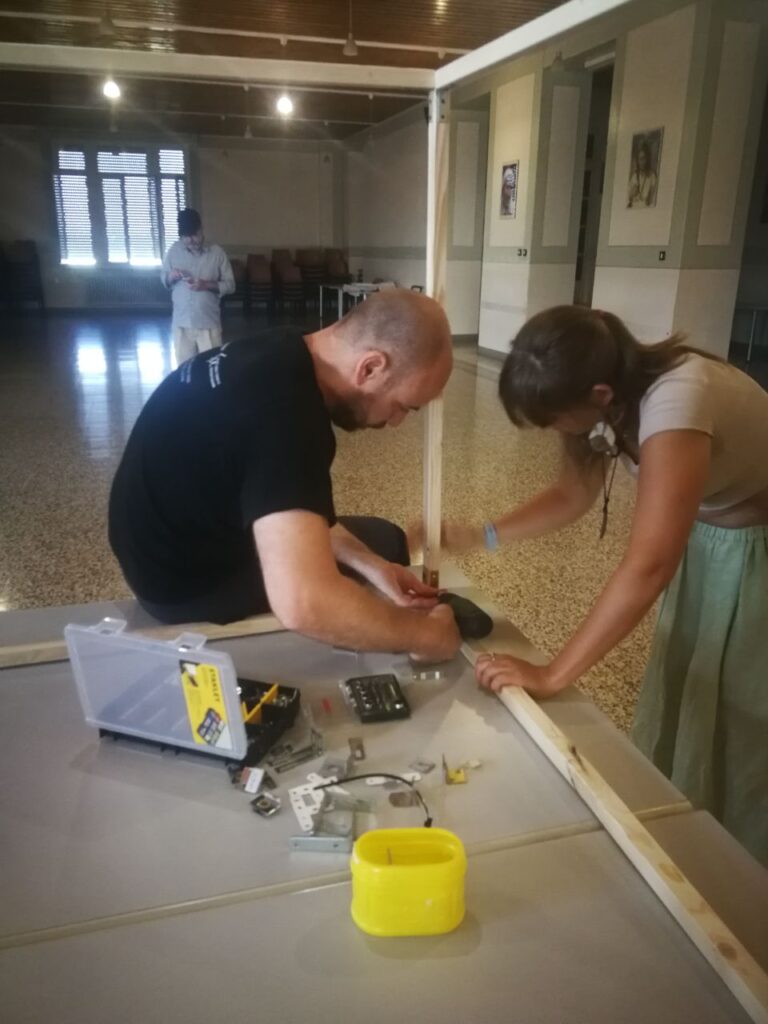
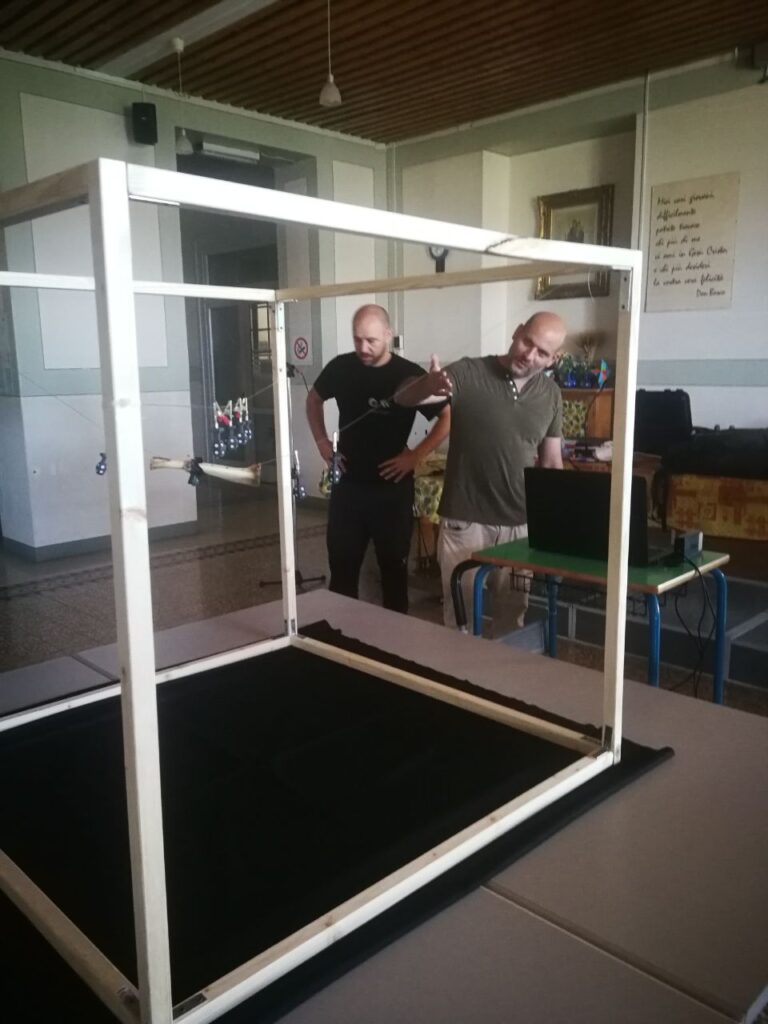
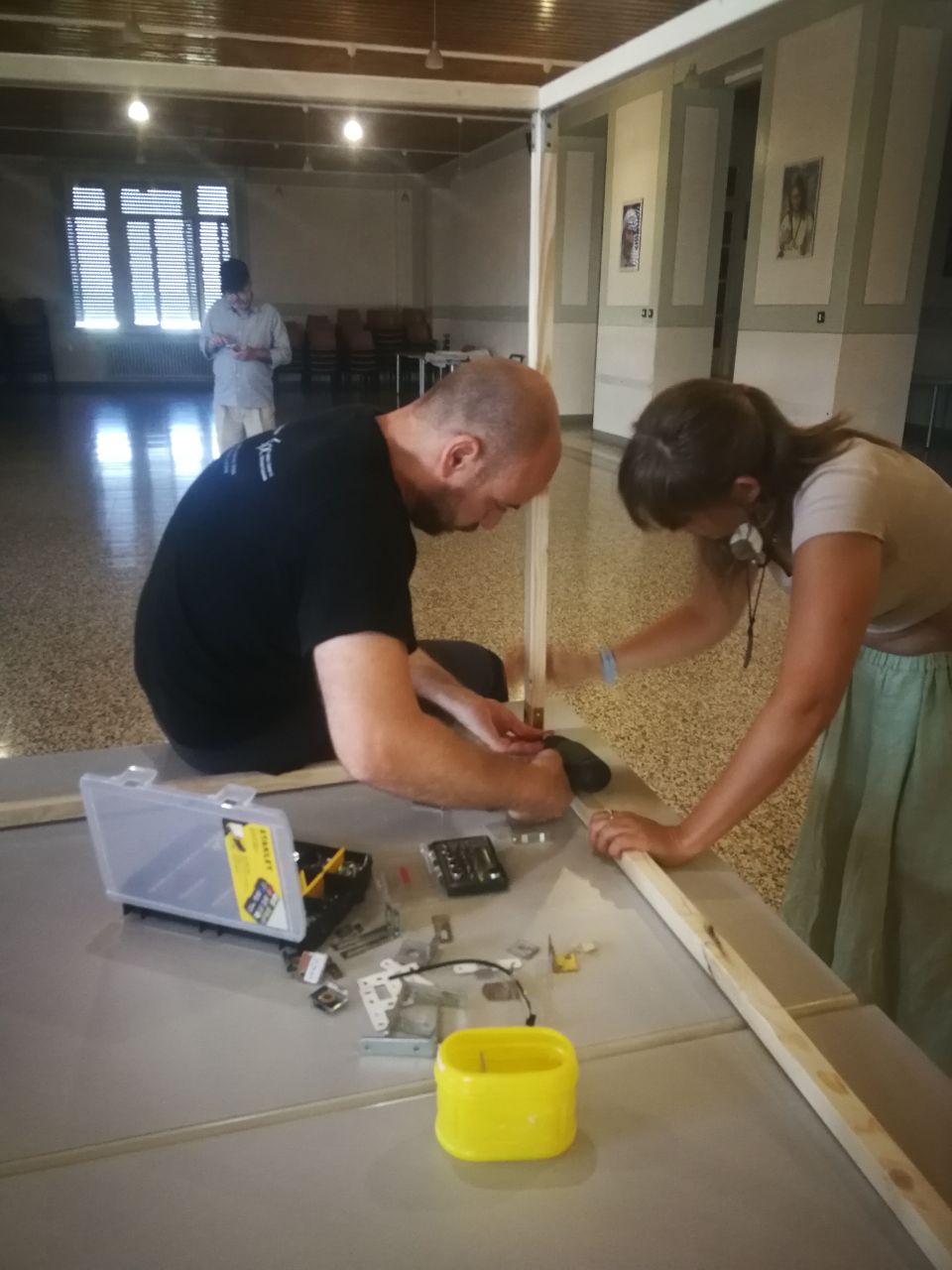
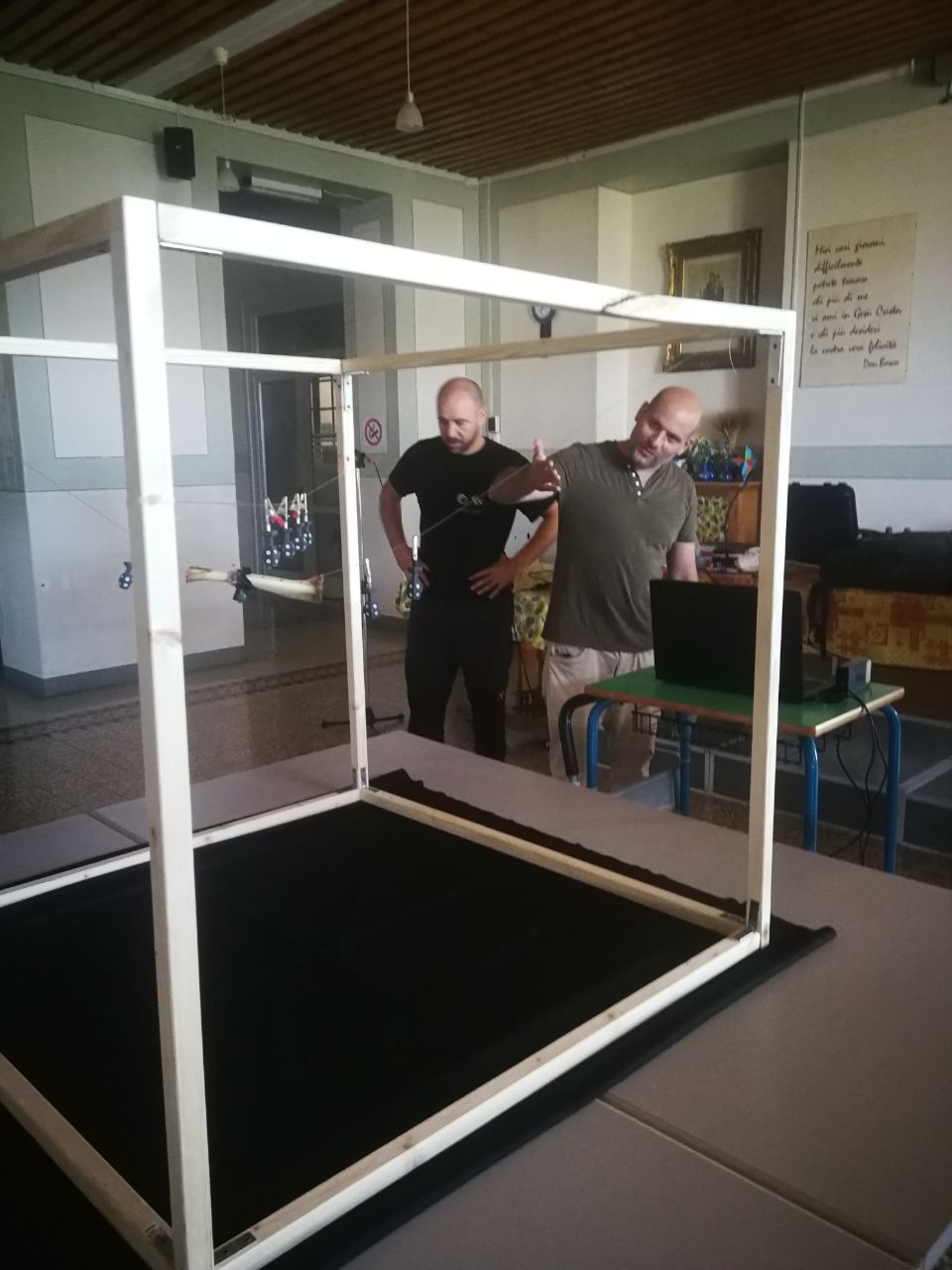
The acquisition setup was carefully designed to guarantee full accessibility to each surface. More delicate or complex items such as the shield, basket, and necklace were suspended using a custom wooden frame and nylon wires, while the flute and cigar rest were positioned on a rotating platform with foam supports. This approach ensured full 360-degree coverage and minimized handling risks.
All datasets are currently undergoing post-processing. Photogrammetric images are being processed using 3DF Zephyr, which identifies shared points across photographs and generates dense point clouds, polygonal meshes, and high-resolution textures. Scans acquired through structured light are being elaborated using the dedicated iReal3D software, which compiles point clouds in real time and automatically produces detailed meshes.
The subsequent optimization phase will integrate the results of both techniques, producing final models that combine high visual fidelity with efficient geometry. Software tools such as Instant Meshes and Blender will be employed to refine topology, reduce polygon count, and enhance texture quality. Once optimized, the models will be exported in the glTF format, ensuring interoperability and long-term usability.
In line with the objectives of KNOT, the final 3D models are published through ATON, the open-source Web3D/WebXR framework developed by CNR ISPC. ATON enables seamless online visualization, intuitive interaction, and immersive exploration across a wide range of devices—without requiring any software installation. The publication process will include the integration of metadata, the creation of selected Points of Interest (PoI), and the association of multimedia resources to support research, education, and public engagement.
This activity represents an important step forward in the KNOT project’s mission to advance the understanding, accessibility, and valorization of Indigenous American heritage preserved in Italian institutions. Through rigorous documentation and innovative digital tools, the project aims to foster new forms of knowledge sharing and more inclusive narratives around these collections