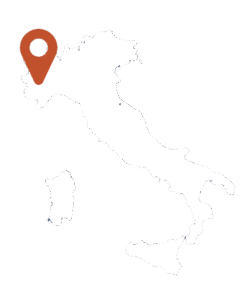

Palazzo Madama – Museo Civico di Arte Antica
The American ethnographic and archaeological collections entered the holdings of the museum, founded in 1863, at a very early date. As early as 1864 ceramic vessels from El Salvador and Panama, donated by engineer Bottero, made their entrance, followed in 1871 by Mesoamerican and Andean objects obtained through an exchange with the Museo di Antichità. The richest collection of American works was offered to the museum in 1876 by Zaverio Calpini, an optics dealer originally from the Val d’Ossola, on his return from over thirty years spent in Mexico: more than 1,500 pieces, among which were objects of outstanding artistic value (alongside numerous forgeries). In 1895 the collection was transferred to the Museo di Antichità di Torino and in 1929 to the Museo di Antropologia of the Università di Torino. In 1933 it finally returned to the Museo Civico. The collection was represented by its most important pieces in the exhibition “Arte Antica dell’America Latina” organized in Rome in 1933 by the Direzione Generale Antichità e Belle Arti. Also in 1876 the museum acquired the last substantial collection of objects from the area of Panama and the Andes, assembled by the consul Giovanni Battista Donalisio. Alongside these main nuclei are individual objects or small collections acquired down to recent years: a tsantsa from the Jívaro (Shuar) culture, brought from Ecuador by Enrico della Croce di Dojola in 1873; fragments of Andean textiles purchased on the antiquities market and donated by Ettore Mentore Pozzi in 1931 and by Roberto Pozzo in 2018; several terracotta vessels (Chancay, Mochica, and Nazca cultures) and recent wooden artifacts from Peru acquired in 1999.
References
Careddu, G. 2002. “Antiche culture dell’America.” In Terre lontane. Arti extraeuropee dal Museo Civico di Arte Antica, Città di Torino, ed. E. Pagella, 116-147. Torino.
Links
Torino, Piazza Castello