
BOLOGNA – University of Bologna
Anthropologist
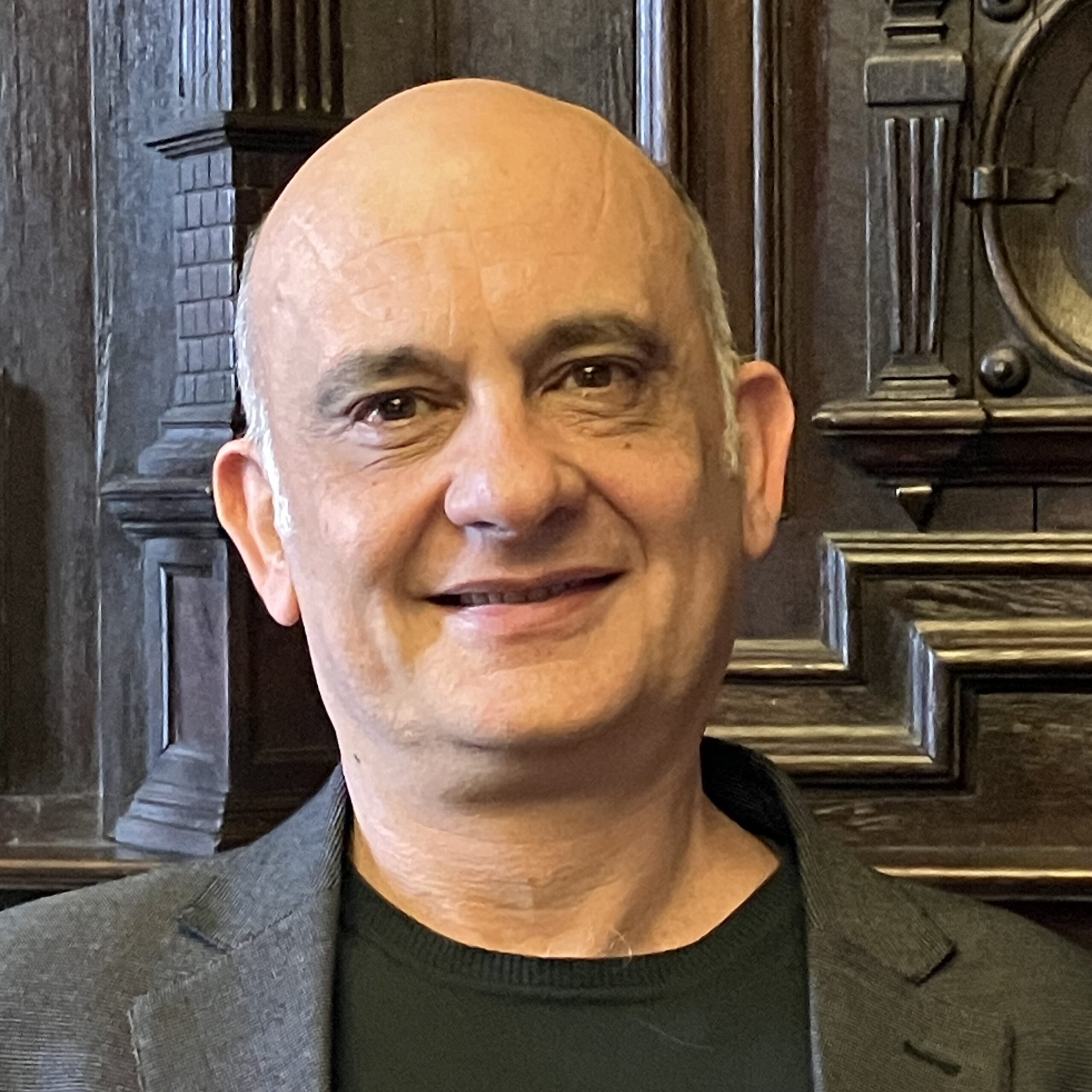
Davide Domenici
Davide Domenici is an Associate Professor of Anthropology in the Department of History and Cultures at the University of Bologna (Italy). After participating in archaeological projects in Nazca (Peru), Rapa Nui (Chile), and Teotihuacan (Mexico), he co-directed the Río La Venta Archaeological Project (Chiapas, Mexico, 1998–2010) and the Cahokia Project (Illinois, USA, 2011–2017). Over the past twenty years, his research has focused on the technologies of Mesoamerican manuscript painting and on the cultural biographies of Mesoamerican artifacts brought to Italy in the 16th century. He often works with museums and in 2025, he co-organized the exhibition We Live in Painting: The Nature of Color in Mesoamerican Art at the Los Angeles County Museum of Art (LACMA).
Anthropologist
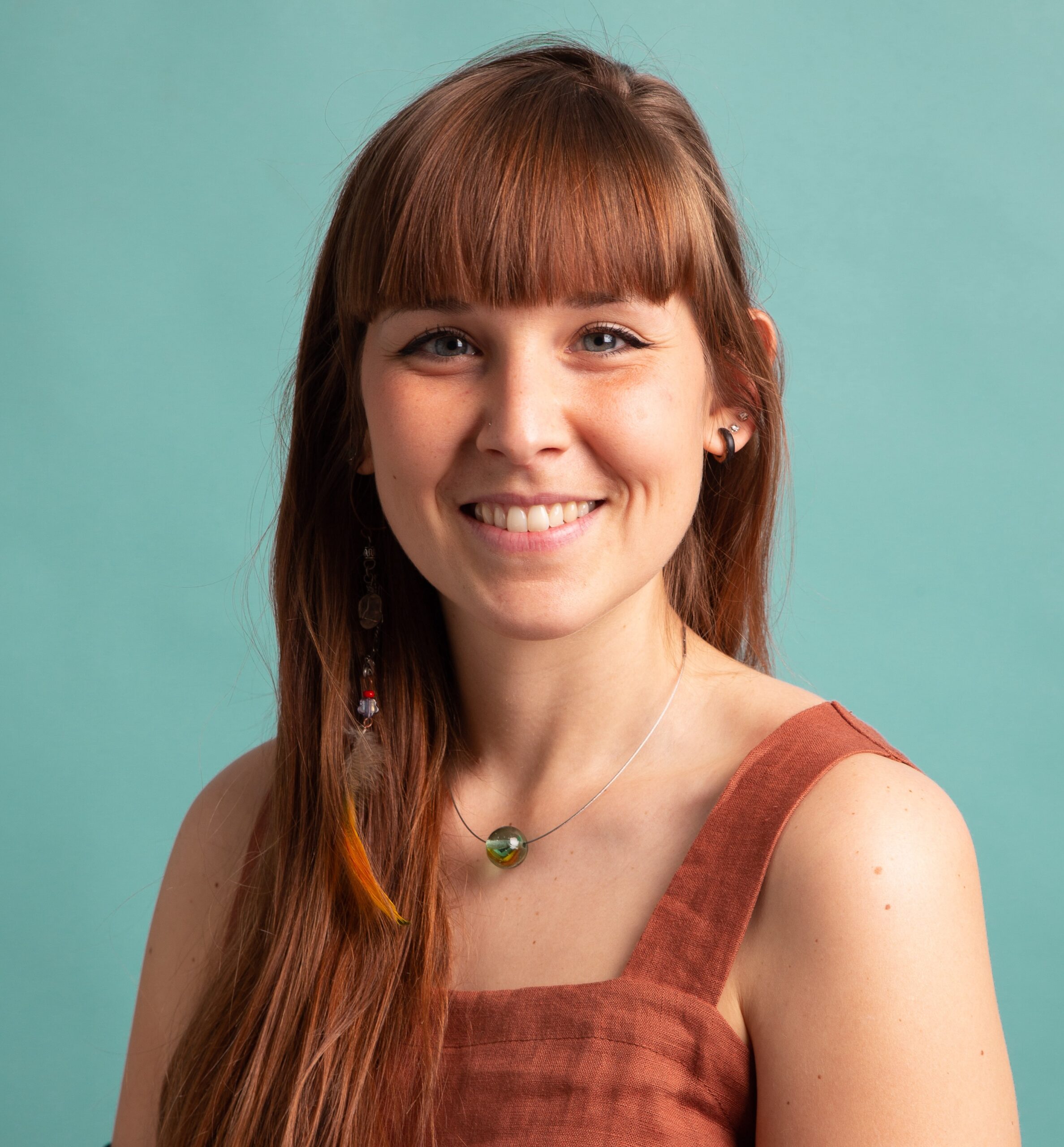
Anna Bottesi
Anna Bottesi is postdoctoral researcher in anthropology and museum studies. She holds a PhD in Global History of Empires from the University of Turin and in Anthropology from the University of Pernambuco (Recife, Brazil). Her research focuses on the collections of indigenous peoples in Brazil within the broader context of rethinking of Western ethnographic museums. She has been working in national and international projects centered on the study and dissemination of heritage produced in various South American contexts and preserved in Italian Institutions. She is member of Brazilian academic research groups, including the Núcleo de Estudos e Pesquisa sobre Etnicidade (UFPE) and the Grupo de Trabalho Indígenas na História-ANPUH-Seção Piauí (UFPI).
Anthropologist
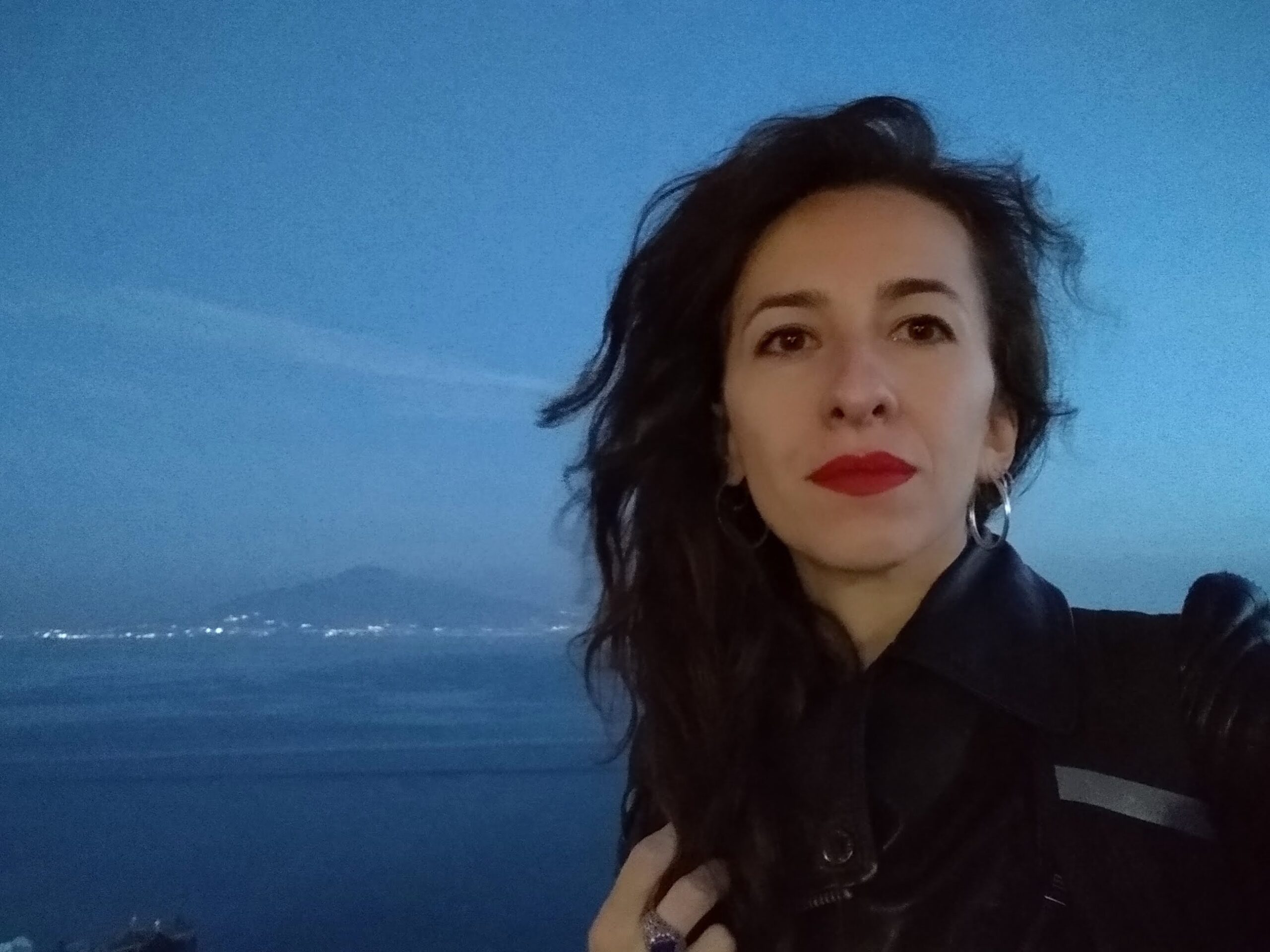
Chiara Scardozzi
Chiara Scardozzi is a Junior Assistant Professor at the Department of History and Cultures of the Alma Mater Studiorum – University of Bologna, where she teaches Visual and Digital Anthropology. She has conducted extensive fieldwork in Latin America, especially in Argentina, Bolivia, and Brazil, focusing on territorial claims, identity dynamics and socio-environmental conflicts. She is also a member of the Ethnological Mission in South America promoted by the Italian Ministry of Foreign Affairs and International Cooperation. Her current research, grounded in the decolonial paradigm and based on a participatory ethnographic approach, explores how visual and digital media can serve as a tool for restitution and sharing of knowledge with source communities.
Anthropologist
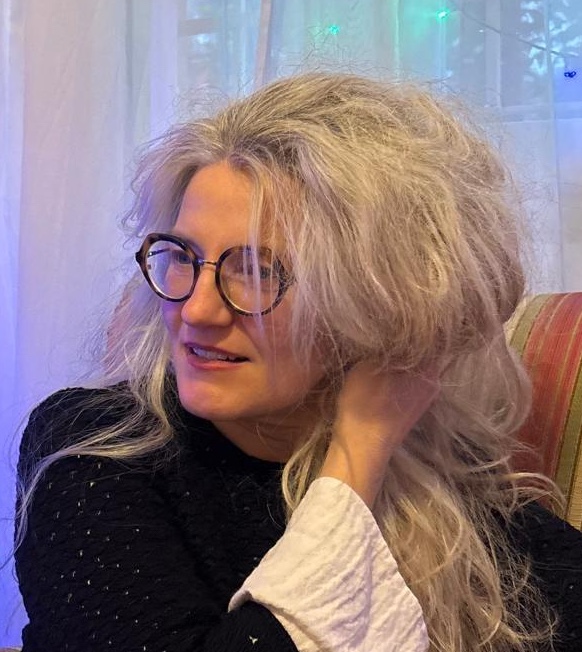
Zelda Franceschi
Zelda Alice Franceschi (1972) is an Associate Professor in the Department of History and Cultures at the University of Bologna where she teaches History of Anthropology, Anthropology of the Americas and Cultural Anthropology. She lives in Bologna and she has two sons and one daughter.Over the past twenty years, her research has focused on natives’ autobiographies. Since 2004 she has been working in Chaco (Argentina) among other communities. She is studying the Anthropology of Nutrition, Material Culture, the relationship between indigenous-mission-mecanization.
Anthropologist
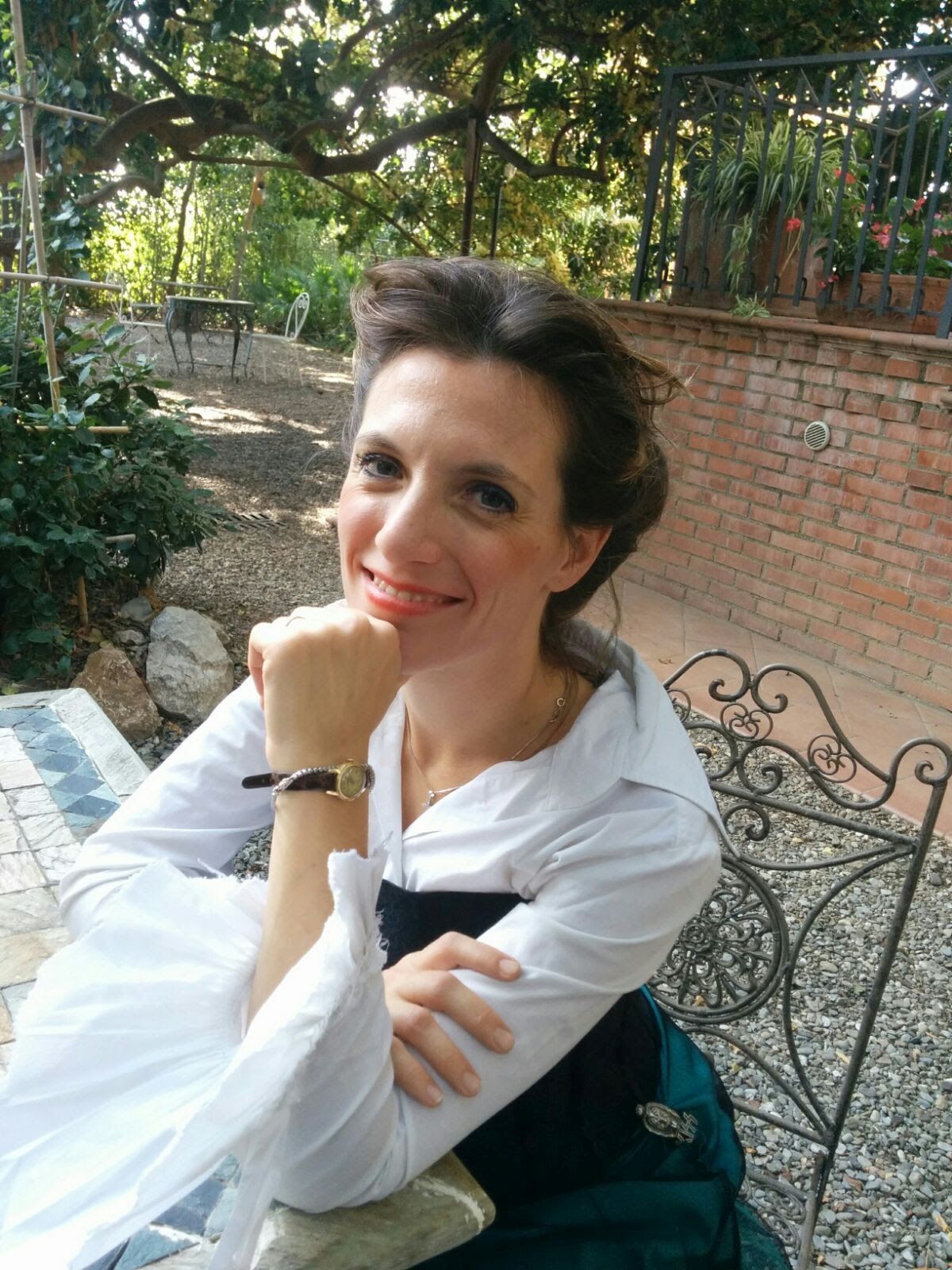
Caterina Fidanza
Caterina Francesca Fidanza obtained a PhD in museum anthropology from the University of Bologna (XXXV cycle), conducting research on ritual artefacts of Yshir-Chamacoco feather art (Upper Paraguay) that form part of Guido Boggiani’s ethnographic collection at the Museum of Civilisation in Rome. She has conducted research in museums in Rome and in several indigenous communities in Paraguay./p>
Anthropologist
Cecilia Pennacini
Cecilia Pennacini, Director of the Museum of Anthropology and Ethnography of the University of Turin, is full professor of Visual Anthropology and African Ethnology in the Department of Cultures, Politics and Society of the same University. Since 1988 she has carried out research in Africa (Zaire/Democratic Republic of Congo, Burundi, Tanzania, Uganda, Ethiopia) as a member of the Italian Ethnological Mission in Equatorial Africa (Italian Ministry of Foreign Affairs and International Cooperation), leading the Mission from 2005 to 2019. She has published extensively on Visual and Museum anthropology as well as on African Traditional Religion, Spirit Possession and Cultural Heritage. She has realized ethnographic films and scientific programs for RAI, RadioTelevisione Italiana and she has curated several exhibitions (the last one dedicated to Digital cemì at the Museo Regionale di Scienze Naturali in Turin, October-December 2025). In 2020 she has been awarded with the “Giorgio Maria Sangiorgi” Prize for the History and Ethnology of Africa of the Accademia dei Lincei. She is presently the scientific coordinator of the SAIMP project (Strengthening African Italian Museum Partnerships) supported by AICS, Italian Agency for International Cooperation.
ROME – Sapienza University of Rome

PI of KNOT project
Ethnologist
Alessandro Lupo
Alessandro Lupo received his PhD in Ethno-anthropological Sciences in 1990 from Sapienza University of Rome, where he is full professor of ethnology and directs the Italian Ethnological Mission in Mexico (MEIM: https://meim.digilab.uniroma1.it/es/), of which he has been a member since 1979. Since then, he has conducted annual research campaigns among the Ikoots (Huave) of Oaxaca and the Maseualmej (Nahua) of the Northern Sierra of Puebla, studying their oral tradition (narrative and ritual texts), cosmovision, ethnoastronomy, religion and ritual, therapeutic knowledge and practices, cultural dynamics, and identity negotiation. In recent years, he has overseen the digitization, archiving, and cataloging of MEIM’s ethnographic materials, sharing them with the native communities and engaging their members in collaborative museography practices. In 2006, he was awarded the Mexican honor of the Aztec Eagle.
Anthropologist
Valeria Bellomia
Valeria Bellomia conducts postdoctoral research in anthropology and museum studies and teaches as an adjunct professor at the University of Florence. She holds a MA Degree in Mesoamerican Archaeology and a PhD in Anthropology from Sapienza University (Rome). Her research explores the materiality of Mexican Indigenous heritage -music instruments and textiles- and its dissemination and virtual restitution to source communities and public within collaborative projects. Since 2013 she has been a member of the Italian Ethnological Mission in Mexico and currently curates its museum related initiatives.
Historian
Sergio Botta
Sergio Botta is an Associate Professor of History of Religions at Sapienza University of Rome. His research focuses on Mesoamerican religions and on Franciscan literature in New Spain. He also works on the methodology of the history of religions, the concept of shamanism, and the relationship between cinema and religions. He is currently co-directing, with Guilhem Olivier, a research project for a new commentary on the Códice Vaticano A (Vat. Lat. 3738). He is Deputy Editor of the journal Studi e Materiali di Storia delle Religioni and coordinator of the PhD program in History, Anthropology, and Religions at Sapienza University of Rome.
Anthropologist
Giulia Cantisani
Giulia Cantisani holds a PhD in Social Anthropology and Ethnology from the University of Rome La Sapienza and the École des hautes études en sciences sociales in Paris. Since 2019, she has been studying ritual practices among the Otomí people of the highlands, focusing on the production and ritual use of artefacts as well as the concept of spatiality in indigenous thought. She is currently working on post-doctoral projects that investigate, from an ethnolinguistic perspective, the dimension of space and time expressed through ritual speech and the relationships established between humans and spirits through ritual chant.
NAPLES – CNR ISPC

Director of CNR
Chemist
Costanza Miliani
Costanza Miliani earned her BSc (1995) and PhD (1999) in Chemical Sciences from the University of Perugia, and an Executive MBA (2019) in Management of Research Infrastructures from the University of Milano-Bicocca. She has authored over 140 publications on the physico-chemical study of materials relevant to cultural heritage (H-index 43; 5,000+ citations, Google Scholar), and is co-editor of Science and Art: The Painted Surface (Royal Society of Chemistry). She also serves on the editorial board of the open-access journal Heritage. As Principal Investigator of regional, national, and European projects in Heritage Science, she currently coordinates the European MOLAB platform, providing mobile, non-invasive laboratory access to heritage researchers, and leads the Italian node of E-RIHS (European Research Infrastructure for Heritage Science). She is a member of the Scientific Board of SMAArt (Scientific Methodologies Applied to Archaeology and Art, University of Perugia) and the Scientific Committee of the Center for Scientific Studies in the Arts at Northwestern University, Chicago.
Engineer and Media designer
Enzo d’Annibale
Engineer, PhD focuses his research on Image-based Modelling, Immersive Media, Virtual Reality, Spatial Augmented Reality. He specialises in 3D reality-based reconstruction using photogrammetry and on real time data processing using visual programming. He is involved in many archaeological surveys campaigns aimed at producing 3D reconstructions for experts, the public of museums, and gamers.
He develops applications to realise immersive and interactive museum exhibitions based on 3D motion graphics, computer vision, and machine learning. He has a long experience as designer and developer of interactive installations in several museums or expos. He participated in several National and European funded research projects (most relevant: CEMEC Connecting Early Medieval European Collections, V-MUST.Net Virtual Museum Transnational Network).

Conservation scientist
David Buti
David Buti is a Research Technologist at CNR ISPC in Florence. He is the access manager of the MOLAB platform within the Italian node of E-RIHS (European Research Infrastructure for Heritage Science), and he coordinates the Helpdesk for access activities to the infrastructure’s services at both national and European levels. He holds a PhD in Conservation Science and worked for six years at the Centre for Art Technological Studies and Conservation of the National Gallery of Denmark (CATS, SMK). He specializes in portable spectroscopic techniques, both point-based and imaging, for the identification and characterization of painting techniques, materials, and their state of conservation. Although his expertise ranges from Old Masters to contemporary art, his main expertise is in Mesoamerican manuscripts and their constituent materials.

User Experience Designer and Media Communication
Alfonsina Pagano
Alfonsina Pagano is a Research Technologist at CNR ISPC, in Naples working as User Experience Researcher. She graduated at the Naples’s University, Suor Orsola Benincasa, for a second Master Degree in Public Communication; she received her former Master Degree in Technology-enhanced Communication for Cultural Heritage and her Bachelor Degree in Communication and Management of Art Markets, in 2012 and 2008, respectively, from I.U.L.M. of Milan (ITALY) and U.S.I. of Lugano (SWITZERLAND). Her research interests and publications relate to transmedial projects with the goal of investigating user experience in terms of usability, accessibility, digital storytelling strategies, and technological alphabetization applied to the Cultural Heritage domain. She is scientific responsible for the EU-funded project ”REVIVE” [G.A. n.101177908], of the Lab Metaverso of “House of Emerging Technology of Naples – Infiniti Mondi” (CTE) [CUP B67F23000000008] , The AFAM roadshow of “Grand Tour AFAM” [CUP I83B24000030006], PRIN2022 project “PAD-ARCH” [CUP D53C24004920006] and coordinator of PRIN2022 “KNOT” [CUP B53D23023080006] and “Casal Dè Pazzi Accessibile” project.
Archaeologist and Digital Heritage Specialist
Maria Felicia Rega
Maria Felicia Rega earned a Master’s degree in Archaeology from Sapienza University of Rome in 2016, specializing in Ancient Topography and Mesoamerican studies, and completed her PhD in 2022 in co-supervision with Comenius University in Bratislava, with a research focused on the ancient topography and urbanism of Maya cities, especially the spatial and territorial distribution of ballcourts. She has taken part in several excavation projects in Italy, Mexico, and Guatemala. Since 2020 she has also specialized in 3D modeling, digital acquisition and virtualization. She is currently working as research fellow at the DHILab of CNR ISPC for the CHANGES Project Spoke 4 – “Virtual Technologies for Museums and Art Collections”, focusing on the pilot case Aldrovandi Digital Twin and core case dedicated to the digital acquisition of the Giovanni Capellini Museum in Bologna.

Archaeologist and Digital Heritage Specialist
Daniele Ferdani
Daniele Ferdani is a Senior Researcher and responsible of head-quarter of CNR ISPC in Rome. With a background in cultural heritage conservation, geotechnologies for archaeology, and a PhD in Medieval Archaeology, his work focuses on digital archaeology, 3D reconstruction, building archaeology, and virtual museums. He develops integrated digital methodologies for interpreting archaeological contexts and disseminating them through advanced visualisation and virtual reality. He has contributed to major national and European projects—such as V-Must.net, CEMEC, REVEAL and PERCEIVE —and collaborates widely with international institutions. A guest lecturer at Lund University since 2014 and adjunct professor in the DHDK master’s programme at the University of Bologna, he is involved in the PNRR CHANGES project. He also coordinates the “Fortificazioni di San Marino” initiative and heads Unit 6 of reMoLab within the PON SHINE project supporting Italy’s role in E-RIHS. He is Scientific Coordinator of the EU-funded project COLOURS.
Archaeologist
Diego Ronchi
Diego Ronchi is a researcher at the ICNR ISPC in Rome. He holds a degree in Classical Archeology and a PhD in Archeological research methodology with a focus on 3D survey technology. His research focuses on the integration of active and passive sensor data for the study of ancient buildings and landscapes, and on technical and methodological research of cultural heritage in natural parks. He has participated in several national and international projects: ARZACHENA civiltà millenaria; Codex 4D, Brancacci POV, Kroton Lab; Carta di Roma per il capitale Naturale e Culturale; Santuari antichi di area etrusco-laziale: interferenze religiose e culturali; Santuari virgiliani nel Lazio antico” finanziato da Fondazione Generali – Accademia Nazionale dei Lincei; Piano del Parco Nazionale del Circeo) in responsible position and in collaboration with international partners. He is currently coordinator of ISPC’s scientific cooperation projects with SABAP Lazio and PI of the Foro Emiliano archeological investigation campaign in Terracina. He is coordinator for the 3D survey of Grotta Guattari in San Felice Circeo and PI for the international project Domitian Villa.
Cultural Heritage restorer
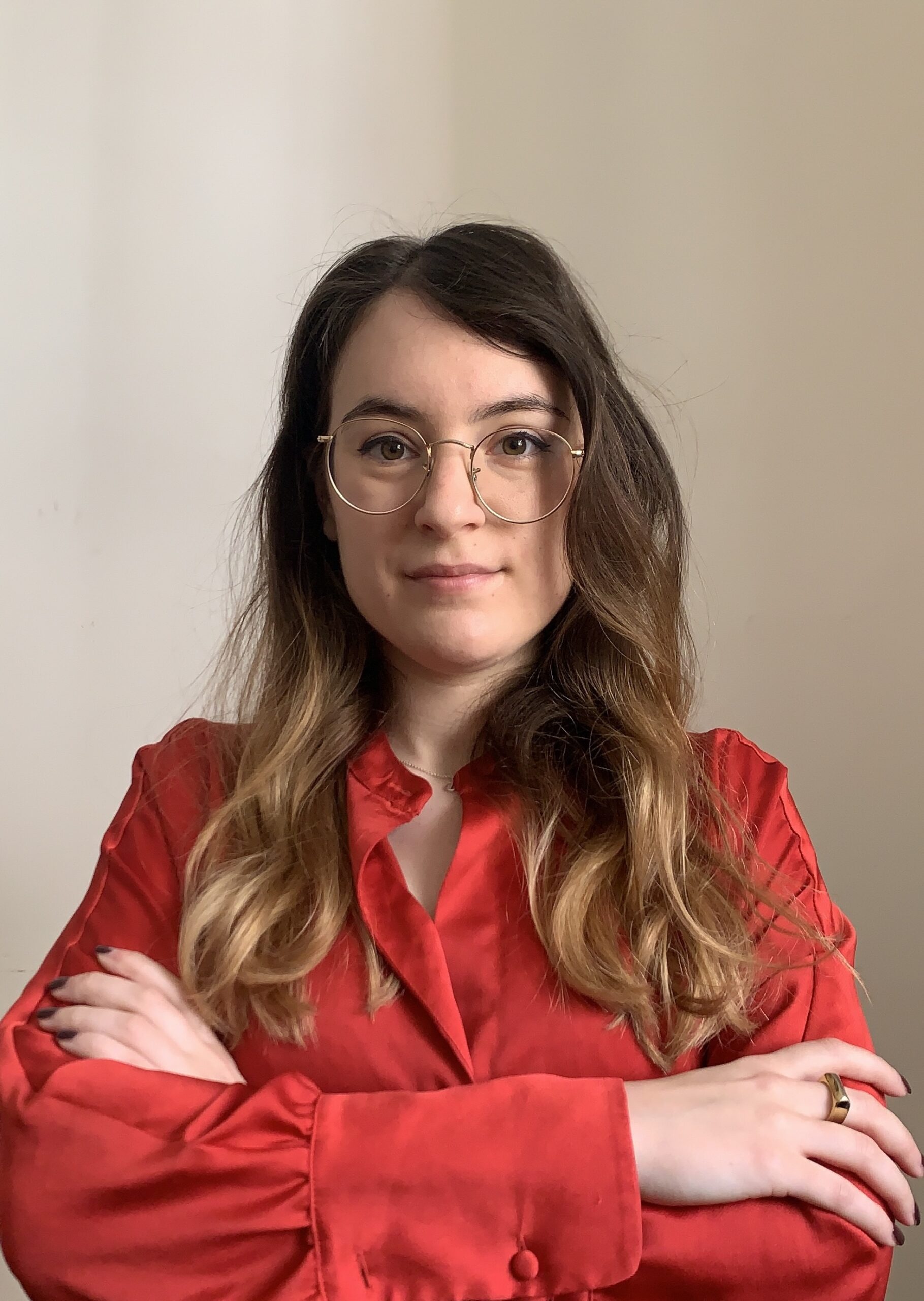
Chiara Florise Amadei
Chiara Florise Amadei is a Junior Researcher at CNR ISPC in Rome. She holds a Master’s degree in Conservation and Restoration of Cultural Heritage from the Academy of Fine Arts in Bologna, and a first level Master’s degree in Management of Artistic and Cultural Resources from I.U.L.M. University (Rome). Her research focuses on virtual restoration, web-based 3D model visualisation, and digital reconstructions.
Since 2022, she has specialized in User Experience (UX) and User Interface (UI) design for digital applications in the Cultural Heritage domain.
She is currently working as a researcher at the DHILab of CNR ISPC for the H2IOSC project, Activity 7.7 “Immersive Analytics and Spatial Interfaces”, focusing on the development of Interlumo, a suite of analytics services for remote interactions, and on the UX/UI refactoring of ATON: WebXR services for Heritage Science.